As with so many things these days, nostalgia for a perceived, more elegant and refined past is manifold. This holds true not only for how we dress, but also how we live and get around.
Traveling, whether for business or pleasure, can be a stressful endeavor. And the desire to return to a time of more thoughtful and luxurious transportation is an easy, escapist point of view.
However, in the real world we must still deal with lines, security checkpoints, body scans, tight seating, cranky airline staff and self-important plane mates, never satisfied unless they have something about which to complain. Yet, as most travel writers will attest, the technology, flexibility and cost of air travel – and of travel in general – has never been more advantageous to the customer as it is now.
Of course, travel these days is by no means perfect, or at times even tolerable. So, let’s agree that, yes, traveling by plane or train can be fraught with potential problems. Late or canceled flights, speed restrictions, or damaged track are but a few of the many things that can lead to a feeling of powerlessness, resulting in frustration and anger.
While such large-scale problems can reduce even the most seasoned traveler to tears, or at least silent rocking back-and-forth paired with deep breaths, more often than not it’s the little things that really cause the most stress.
By planning ahead, playing well with others and accepting that stuff happens, you are more apt to be the kind of person others don’t actually mind being stuck with for a few hours. Being ill prepared for your trip can lead to disappointment and discomfort. Choosing your clothing, luggage, accessories and travel strategy can make a huge difference in outlook and comfort before, during and post trip.
As with most of life, the key to success is often nothing more than preparation and perspective. Here are a few simple things you can do to reduce some of the stress and maybe even enjoy traveling a bit more.
Dressing for Travel
Regardless of the reason for my travel, I always dress as though I am going to run into someone important.
For business, that means wearing a suit, dress shirt, no tie, and good shoes. I always add a pocket square for a touch of style and a little color. When feasible, I also opt for a more comfortable and less form-fitting suit. Casual clothing goes into my bag.
When traveling for fun or in business casual mode, I still choose to project some style and maturity.
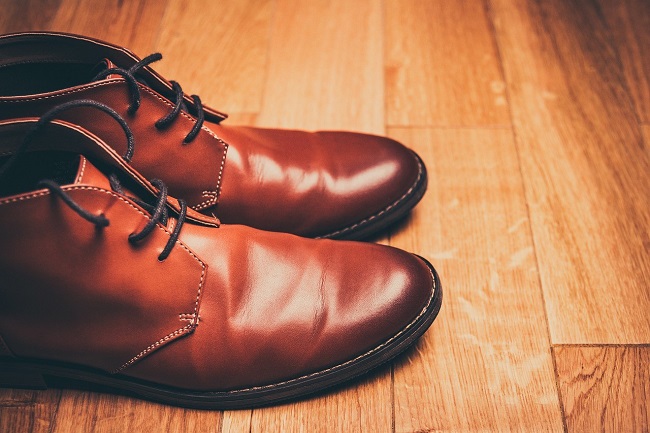
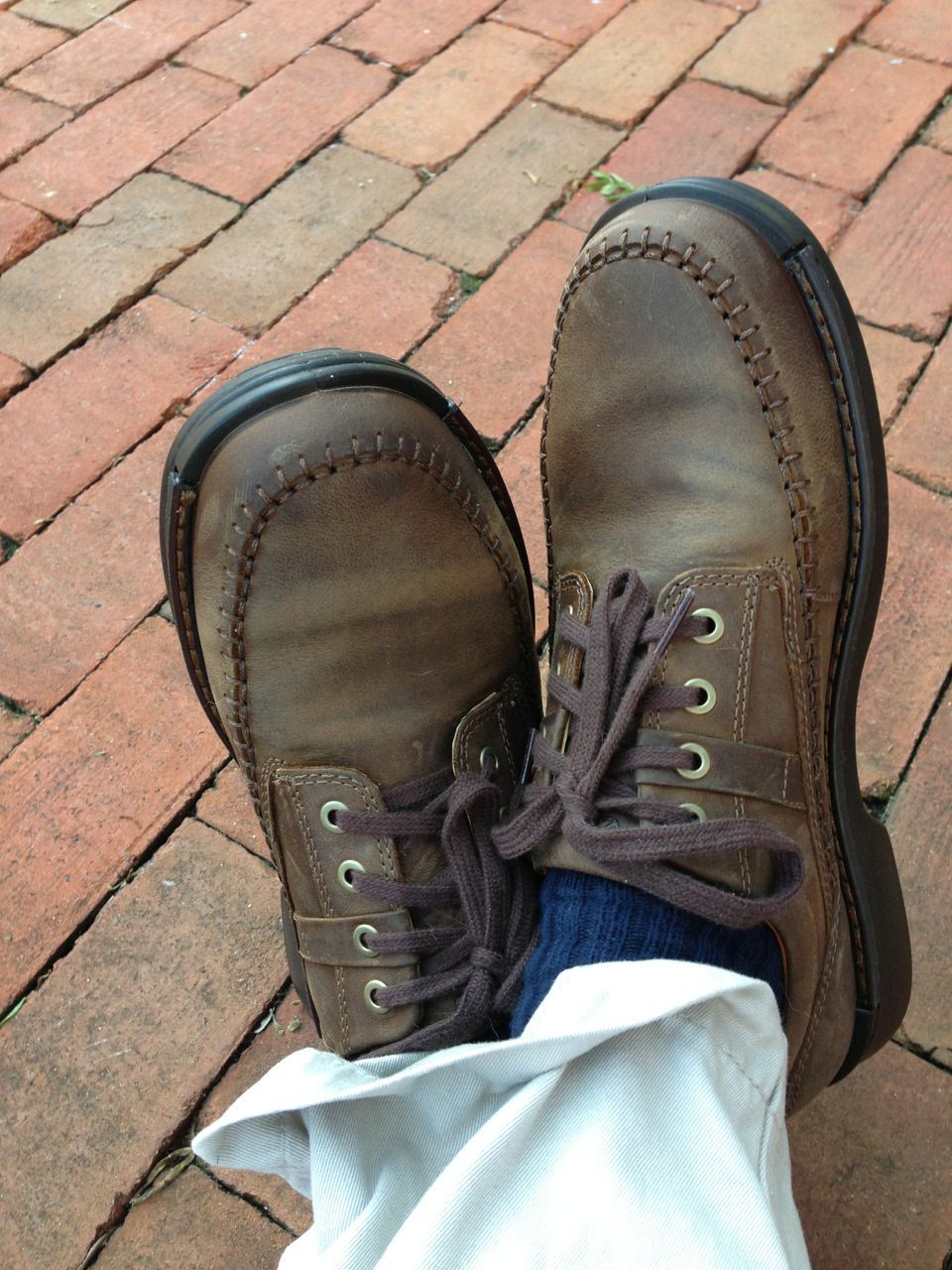
I usually pass on the jeans and wear a nice pair of khakis or corduroys and have a blazer or sweater handy. Zip cardigans are a good option and allow for cooler or warmer cabins. I wear shoes that make sense for my trip, not just for ease of the security checkpoint.
A main goal should always be to dress well but remain comfortable. Personally, I make a conscious decision to look better than I need to look. An excellent example of this approach is displayed here by Alan Flusser. He expertly presents an elegant yet comfortable look without appearing stuffy or overdone.
When I dress well for travel, I feel better about myself, why I’m traveling and am more thoughtful of others.
By choosing a stylish wardrobe that can be mixed, matched and paired, I also don’t need to pack as much. Gray suit trousers can be paired with an oxford and sweater or a spare blue blazer. For a casually dressy look, pull out the jeans and pair them with a tee shirt, fine gauge v-neck merino sweater and the suit jacket. Mentally work through real outfits for your trip. Lay them out ahead of time, but be proactive.
Moreover, I simply choose to take a stand against sloppy and disrespectful travelers. Dressing nicely shows respect to my fellow passengers and to the airline or train crew. I am entering their office, their workspace. If I would never dress like a slob to visit a client’s office, why would I do so in the intimate environment of a plane?
Travel experts tell us over and over that how you dress directly impacts the treatment you get from gate agents and flight crews. It is a known and frankly obvious fact that we are judged by how we dress. Everyone makes these kinds of judgments every day. I think the truth of the matter is that we just don’t like it when it happens to us – and the outcome is not in our favor.
Packing
As a regular business traveler, it goes without saying that I always try and get everything I need in a carry-on bag. If that’s not possible, I’ll pack just my essentials in the carry-on and pray that my checked bag arrives when and where I do.
Remember not to over pack your carry-on. Otherwise, you’ll have a whole new level of frustration trying to squeeze it into a too-small overhead compartment. And when that doesn’t work, your carry-on will be gate-checked and you lose access to all that stuff you wanted to keep handy.
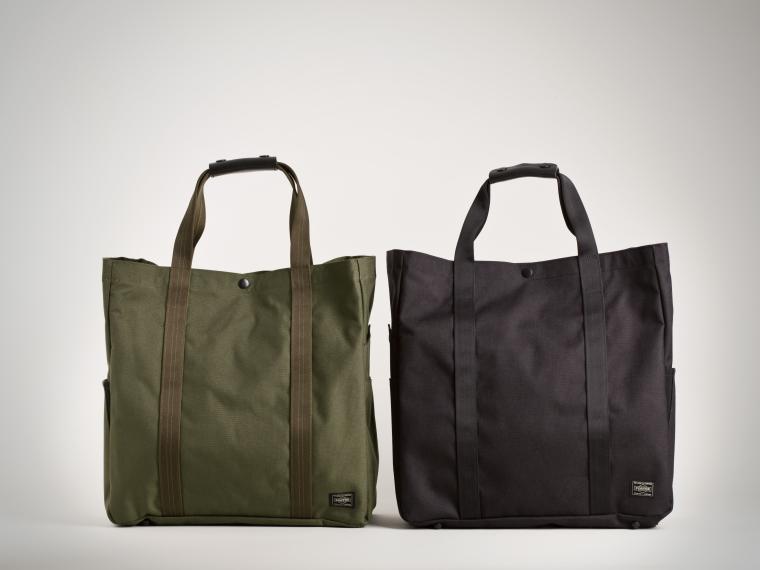
In terms of business travel, I have a good rolling carry-on that is perfect for a few days to a week, and a larger global workhorse that can take a beating. A rolling carry-on can be your single most important investment.
There are a lot of options out there; in fact I’ll be upgrading my 15 year-old bag soon and am on the lookout myself. Go for function over form in this case, because what really matters is how well your roller houses your stuff and performs during a transfer or running to catch the 11:58 express.
With business cases and day-to-day bags, I am happy to invest in beautiful leathers and craftsman quality. But when it comes to luggage likely to be checked, I want practical, functional durability.
Sometimes, I use a smaller shoulder strap carry-on bag. My old Ghurka ‘Express’ bag is perfect for this; roomy yet compact, soft and flexible but tough and all-leather durable. But remember, while such a bag may give you a globally stylish and blog-worthy persona, you still need to lug it and your other stuff all over the place. Hence, the myriad benefits of a good, compact, rolling carry-on.
Attitude
Last but not least is the issue of one’s attitude when traveling. The subject of attitude is very important to me. I spent a great deal of my younger years in the luxury retail environment, which is all about relationships. While I always wanted to do well by my customers, I am of the belief that the customer is not always right. Often, yes. Always, no.
The customer is not the most important person in the store. The line salespeople are; as are the managers, stock room, and shipping staff. Staff is what makes companies succeed and when you have staff that wants to give their customers the best service possible, everyone wins.
Permitting customers to run roughshod over your employees is counterproductive. This is not saying employees are always right, it just means they are not human punching bags for cranky customers.
Treat airline staff, or any other staff for that matter, with respect and patience. You may be ticked off, but would you want to switch places with the gate agent who just announced that a flight was canceled?
When front line staff recognize that you are an adult and that you understand they do not, in fact, run the company, they are more likely to remember and look after you.
A few years ago, my wife and I experienced this first hand on a flight to Paris. After a horrible drive to the airport though pounding rain, we were met with a disorganized sea of angry travelers. Ultimately, the flight was canceled. When I finally made it to the counter after nearly an hour, I knew we would never get on the next flight out. I was angry and tired but made every effort not to take it out on the airline agent; it wasn’t her fault.
I was as reasonable as possible under the circumstances, expressed my exasperation and made it clear that I was venting in general, but not at her.
Treating that harried and exhausted desk agent with respect apparently paid off, because hours later, when everyone was finally issued tickets for the new flight, we were upgraded to first class.
A common occurrence? Probably not. But the point remains that how we chose to present ourselves in the situation, pack, prepare and plan all came together at that moment. We were dressed appropriately, prepared with what we needed to get by sans luggage, and behaved like grown-ups when things went south.
Instead of being a bitter memory, that experience continues to inform how we travel and how we treat others.
I was in Boston this week for meetings and had a chance to check out some of my old stomping grounds. I am a proud graduate of Northeastern University and actually lived in this outstanding city for nearly eight years.
It’s a great town that keeps getting better. One of the best parts of the visit was our meet-up at the original Harpoon Brewery. Harpoon IPA is perhaps one of my all-time favorite beers and is, for better or worse, inextricably tied to many of my college memories. Thanks to Corey and the tasting room team for making our experience such a blast.
Founded by to Harvard grads, Harpoon was originally called the
Massachusetts Bay Brewing Company. Figuring that those are a lot of words to fit on a beer label, they came up with “Harpoon.” Classic marketing: one word, two syllables, simple but iconic imagery and most importantly, a very good product.
We also were able to have one of our dinners up in the North End and spend an evening walking all over this great city. A note of thanks to @BostonMo for some great restaurant suggestions.
I happened to be staying in the newly renovated South Boston Waterfront area, an easy stroll to Rowes Wharf and Quincey Market. There are so may options when it comes to selecting your Boston base camp, but if you want to be in the middle of the action, take a look at Copley Square. Bordered by the iconic Boston Public Library, Prudential and John Hancock towers, outstanding shopping and a plethora of restaurants, this part of town is a great place to plant your flag.


.jpg)